MOT Type 1 Sub Base for Driveways
MOT Type 1 sub base for driveways is the standard choice when a driveway needs to stay level, hardwearing, and fit for daily vehicle use. If a driveway sinks, cracks, or holds water, the fault usually sits below the surface. The sub-base material decides how long the driveway lasts. Get this layer right, and the surface above it stays solid for years.
I’ll walk through what MOT Type 1 is, how it works under a driveway, correct depths, compaction, drainage behaviour, and how bulk bags or loose loads usually suit different jobs.
What MOT Type 1 is
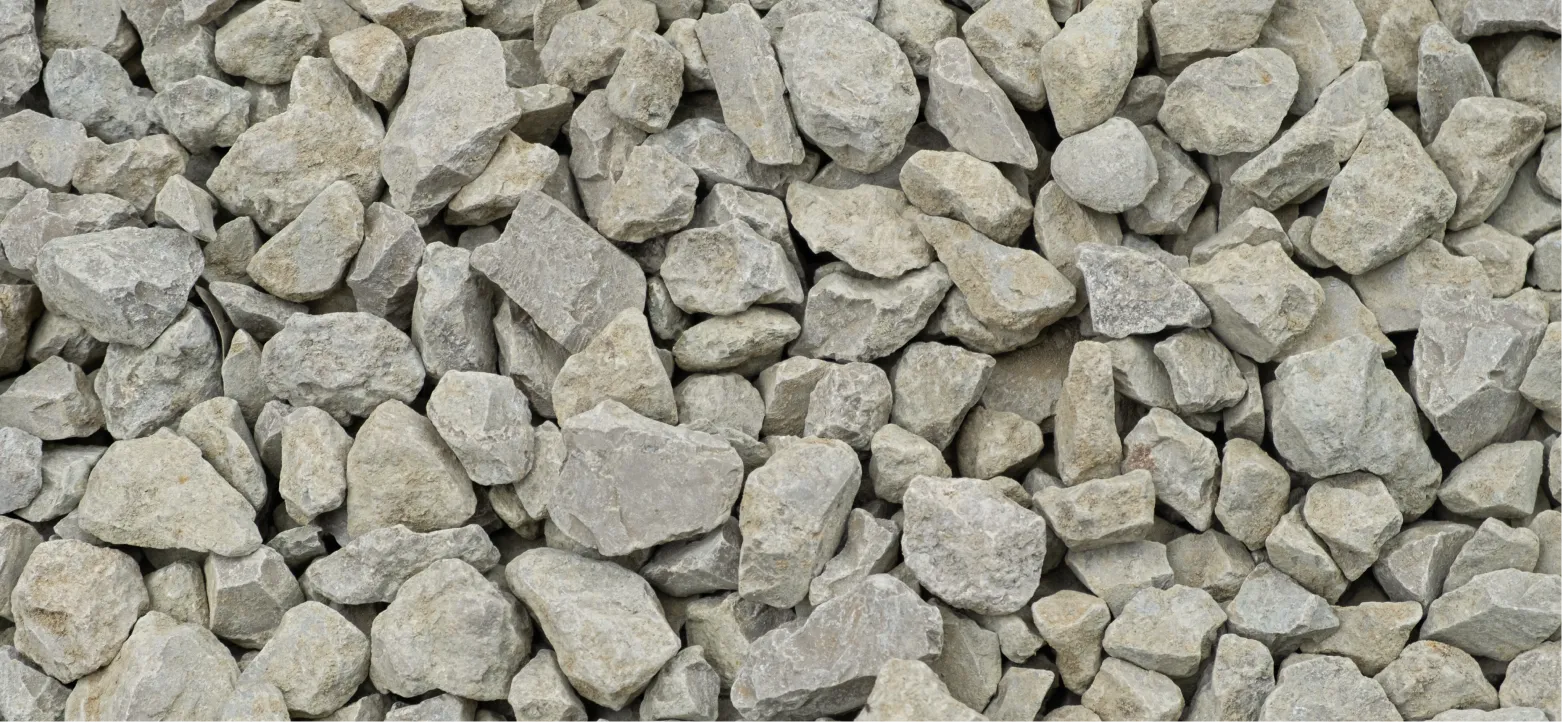
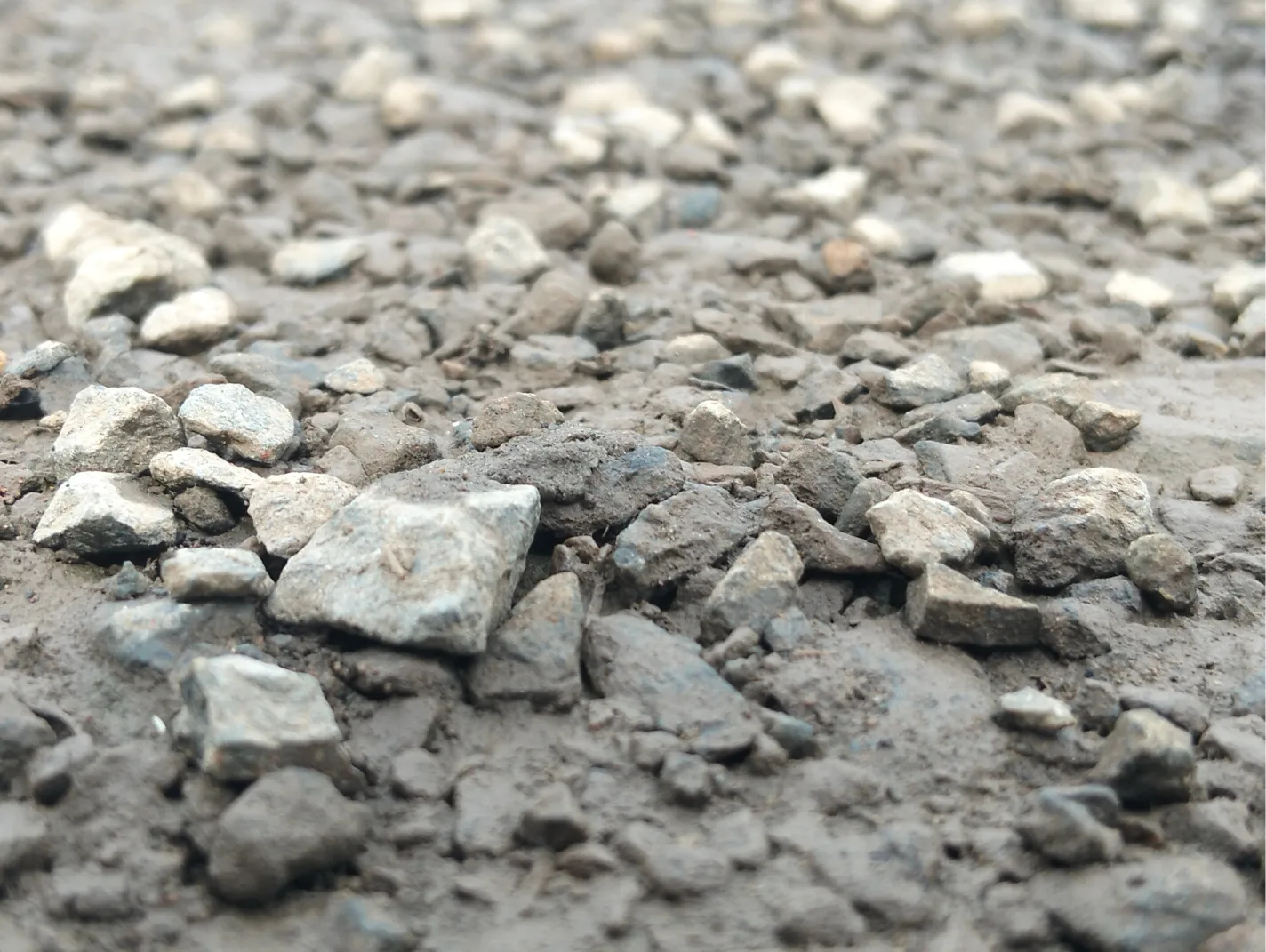
MOT Type 1 is a graded aggregate used as a sub-base material. It forms the sublayer beneath driveways, patios, footpaths, and car parks. The grading runs from 40mm down to dust, which creates a dense structure once compacted.
The material is made from crushed stone, commonly limestone or granite, including crushed granite and carboniferous limestone. Fine particles fill the voids between larger aggregates. This produces minimal voids in the sublayer and strong load-bearing capacity.
The name comes from specifications set out by the Ministry of Transport for highway and construction projects. Today, it still follows that recognised specification for sub-bases and road surfaces.
You may hear MOT Type 1 called
- type 1 MOT
- scalpings
- crushed material
- granular sub-base
Each name points back to the same graded sub-base aggregate.
Why MOT Type 1 is suitable for a driveway
A driveway needs a solid base that spreads the load across the ground below. MOT Type 1 provides this through compaction rather than bonding like concrete.
Once compacted:
- larger aggregates lock together
- fine mixture fills gaps
- the layer becomes dense and load-bearing
This structure supports cars, vans, and heavier vehicles without movement. Gravel provides a load-bearing surface only when the sub-base below it holds firm. That is why decorative gravel or shingle still needs a proper sub-base beneath.
MOT Type 1 is used as the sublayer for road surfaces, driveway paving, patio paving, block paving, and tarmac. The same principle applies across each application.
MOT Type 1 Sub Base Depth for Driveways
Depth matters more than most people expect. Too shallow and compaction never reaches full strength.
For domestic driveways:
- 150mm compacted depth is the normal standard
This depth supports cars and light commercial vehicles. For patios and footpaths, a compacted depth of 100mm often works well. Heavier traffic or commercial use may require deeper sub-bases.
Important detail here. MOT Type 1 compacts down by roughly 20 per cent. A loose layer of around 180mm usually compacts to 150mm. This allowance needs planning before delivery.
Laying MOT Type 1 Sub Base Correctly
Correct installation makes the difference between a driveway that lasts and one that fails early.
A proven approach looks like this:
- Excavate to the required depth plus allowance for surface finish
- Lay a membrane to separate soil from sub-base
- Add MOT Type 1 in layers of 75mm loose depth
- Compact each layer fully before adding the next
- Check level across the surface
Compaction should be achieved using a vibrating plate or roller. Hand tamping never produces enough force for driveways. Each layer needs compaction before the next goes down. This builds a flat surface with uniform strength.
The aim is a sublayer that, when compacted, feels rock solid underfoot.
Load-Bearing Capacity and Performance
MOT Type 1 offers high load-bearing capacity through its granular structure. Once compacted, the crushed stone forms a tight matrix with minimal voids. This spreads weight across the full driveway footprint.
That behaviour explains why MOT Type 1 is used in
- construction projects
- sub-bases for car parks
- sublayer for road surfaces
- footpaths and pathways
- driveway paving and patio projects
The material stays hard-wearing under repeated load. It does not pump or rut when laid at the correct depth.
Drainage and Permeability
MOT Type 1 is highly permeable in a controlled way. Water passes through the sub-base rather than pooling at the surface. Fine particles slow the flow just enough to stop washout.
This balance suits most driveway layouts. For fully permeable or sustainable drainage systems, MOT Type 3 or larger aggregates may suit better. MOT Type 1 still works well under many driveway designs where surface water drains to edges or channels.
Good drainage protects against frost movement and long-term settlement.
MOT Type 1 vs Decorative Aggregates
Decorative aggregates, gravel, shingle, stone chippings, and chippings all serve different roles. They look good at the surface. They do not replace a sub-base.
Decorative aggregates:
- move under load
- shift over time
- rely on the sub-base beneath
MOT Type 1 sits below decorative gravel, block paving, patio paving, or tarmac. It forms the foundation layer that holds everything else level.
Bulk Bags or Loose Loads for Driveways
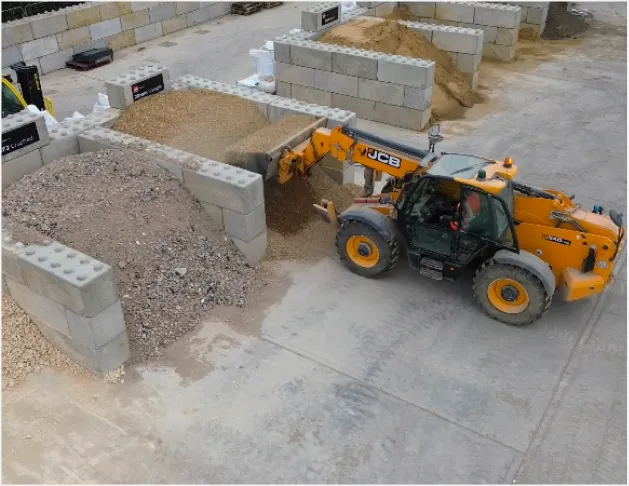
MOT Type 1 comes in bulk bags or loose loads. The right choice depends on access and volume.
Bulk bags
- suit smaller driveways and patio projects
- allow neat placement near the work area
- work well where access is tight
Loose loads
- suit larger driveways
- cost less per tonne
- suit construction projects
A single bulk bag usually holds close to one tonne. Coverage depends on depth. At 150mm compacted depth, one tonne covers roughly 3 to 4 square metres.
Limestone and Granite Type 1
Type 1 is made from limestone or granite. Both meet the same specification.
Limestone Type 1
- lighter colour
- common across landscaping and driveways
- compacts very well
Granite Type 1
- darker appearance
- very strong crushed granite
- common in heavy-duty applications
Both are fit for purpose under a driveway when laid correctly.
Common Driveway Sub-Base Mistakes
A few issues come up time and again
- shallow sub-base depth
- poor compaction
- laying in one thick layer
- wet ground not separated by membrane
These mistakes lead to movement, voids, and uneven surfaces. The surface layer then cracks or sinks.
Where MOT Type 1 is Used Beyond Driveways
MOT Type 1 is used in
- patios and patio paving
- footpaths and paths
- block paving
- tarmac driveways
- car parks
- landscaping and garden builds
The same rules apply across every application. Depth, compaction, and level matter each time.
FAQs
Is MOT Type 1 suitable for a driveway?
Yes. It is the standard sub-base material for driveway construction.
What depth should MOT Type 1 be for a driveway?
150mm compacted depth suits most domestic driveways.
Is MOT Type 1 permeable?
Yes. It allows controlled drainage through the sub-base.
Can gravel be laid straight onto soil?
No. Gravel needs a compacted sub-base beneath it.
Is MOT Type 1 the same as scalpings?
Scalpings is a common trade term for Type 1 style sub-base.
The Bit That Decides if Your Driveway Lasts
Most driveway problems aren’t on the surface. The paving, gravel, chippings, tarmac, and even decorative finishes only behave as well as the sub-base below them. When MOT Type 1 is laid too thin, not compacted in layers, or left uneven, the driveway starts moving. Then you get dips, rocking blocks, puddles, cracked edges, the usual mess.
If you take anything from this page, it’s this:
- use the right sub-base material
- hit 150mm compacted depth for a driveway
- compact in layers until it feels like a solid base
- keep levels tight so the surface goes down clean
Do it once, do it properly, and you won’t be revisiting the base every winter.