
What is Limestone Type 1 Used For?
What is limestone Type 1 used for comes up on almost every groundwork job, from a small garden path to full construction works. Limestone Type 1 is a primary aggregate used as a sub-base beneath finished surfaces. Its job is simple. Create a stable, load-bearing base that spreads weight evenly and keeps the surface above from moving.
This guide breaks down exactly where limestone Type 1 fits, how it performs, and which projects rely on it across the UK.
What is limestone Type 1?
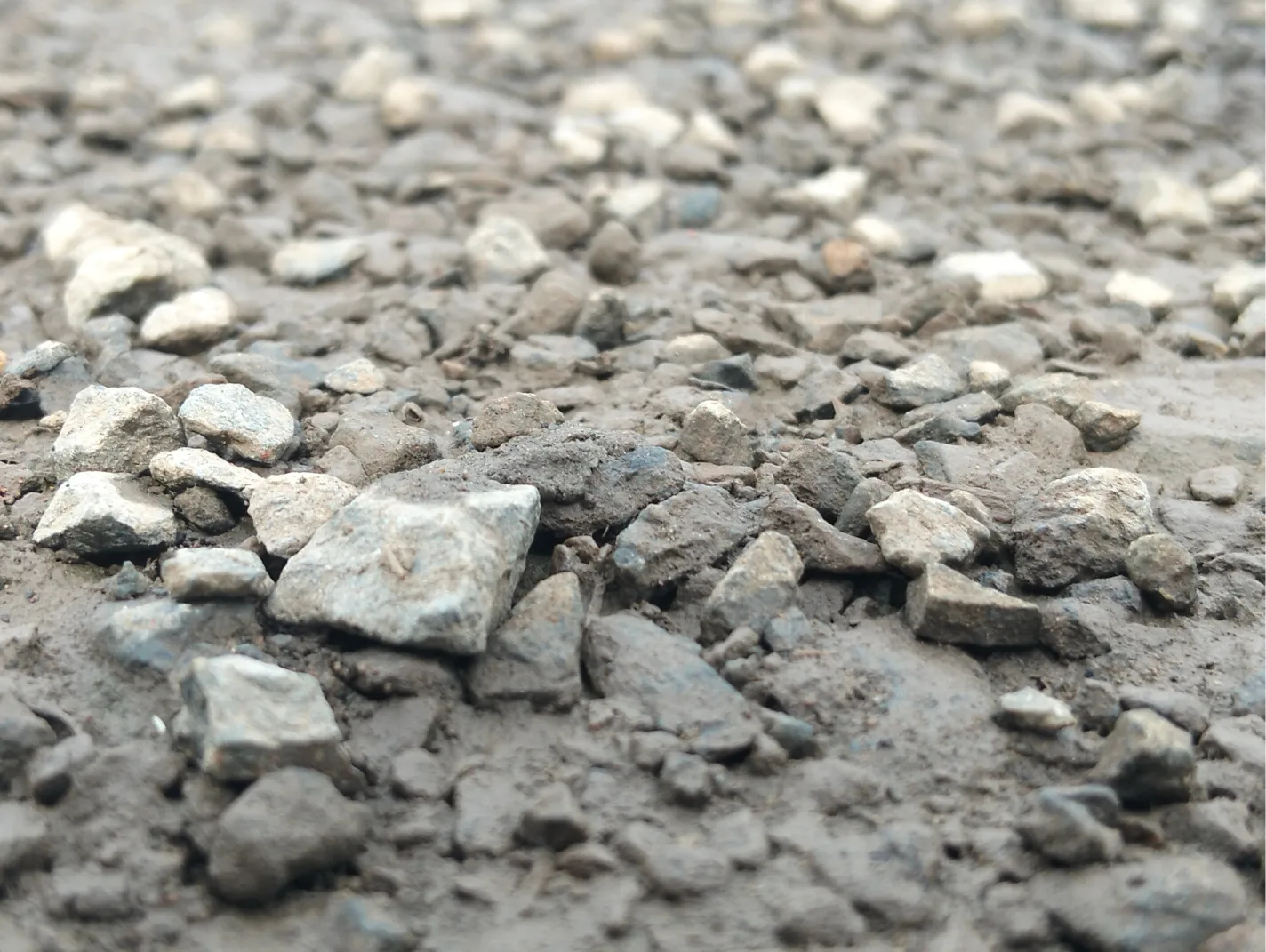
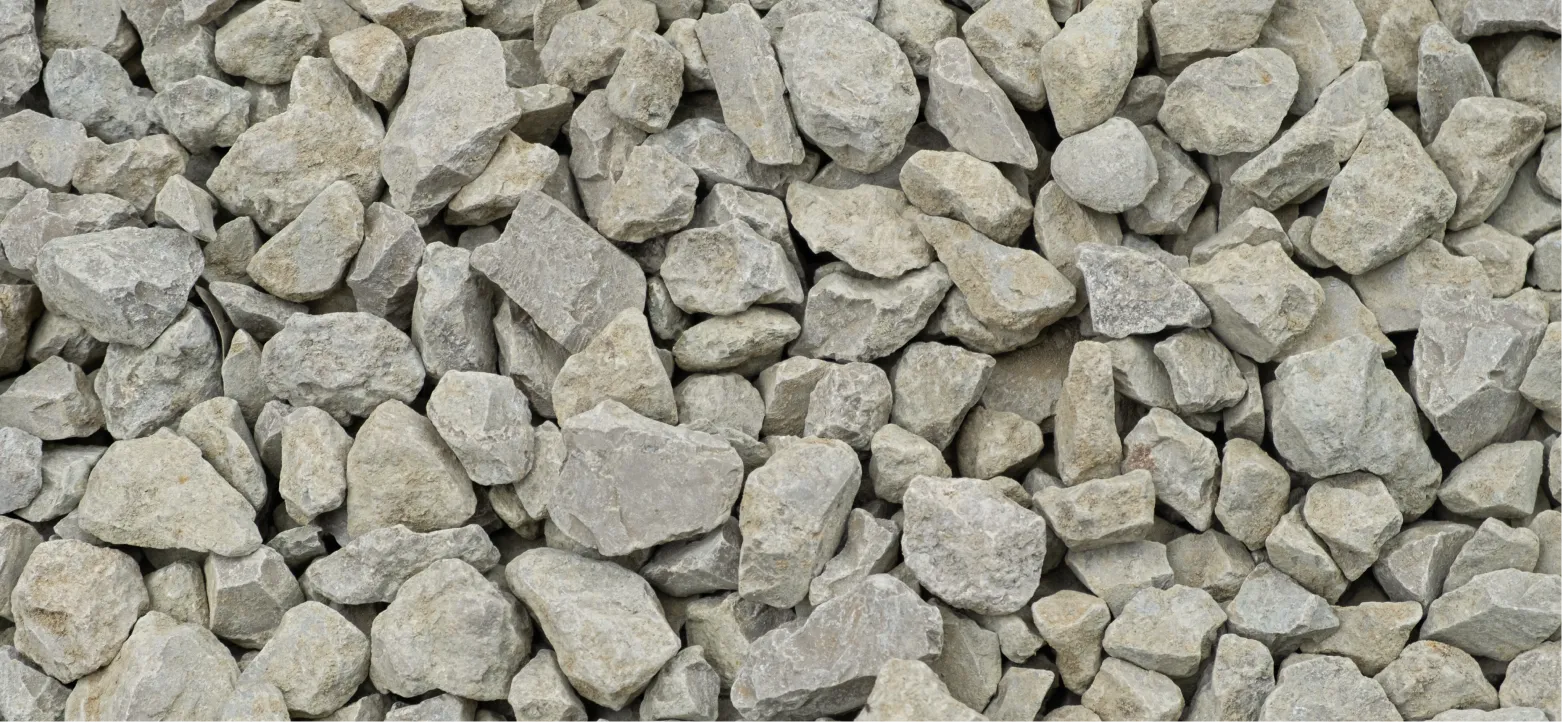
Limestone Type 1 is a well-graded sub-base aggregate produced from quarried limestone. The material is crushed and screened to a grading of 40mm down to dust. That mix of particle sizes allows the aggregate to interlock tightly once compacted.
The result is a dense base layer with minimal voids. Fine particles bind the structure together. Larger stone carries load. That balance gives limestone Type 1 its strength and reliability.
It follows requirements set out under Ministry of Transport standards and the Specification for Highway Works, commonly referenced as SHW Clause 803.
Limestone Type 1 as a sub-base material
The main role of limestone Type 1 is to form a sub-base beneath finished surfaces. This base layer distributes load into the ground below and prevents settlement.
Typical uses include
- Driveway sub-bases
- Patio and paving bases
- Footpaths and pathways
- Roads and pavements
- Car parks
- Construction project bases
The material compacts evenly and creates a stable platform ready for surfacing.
Use in driveways and domestic projects
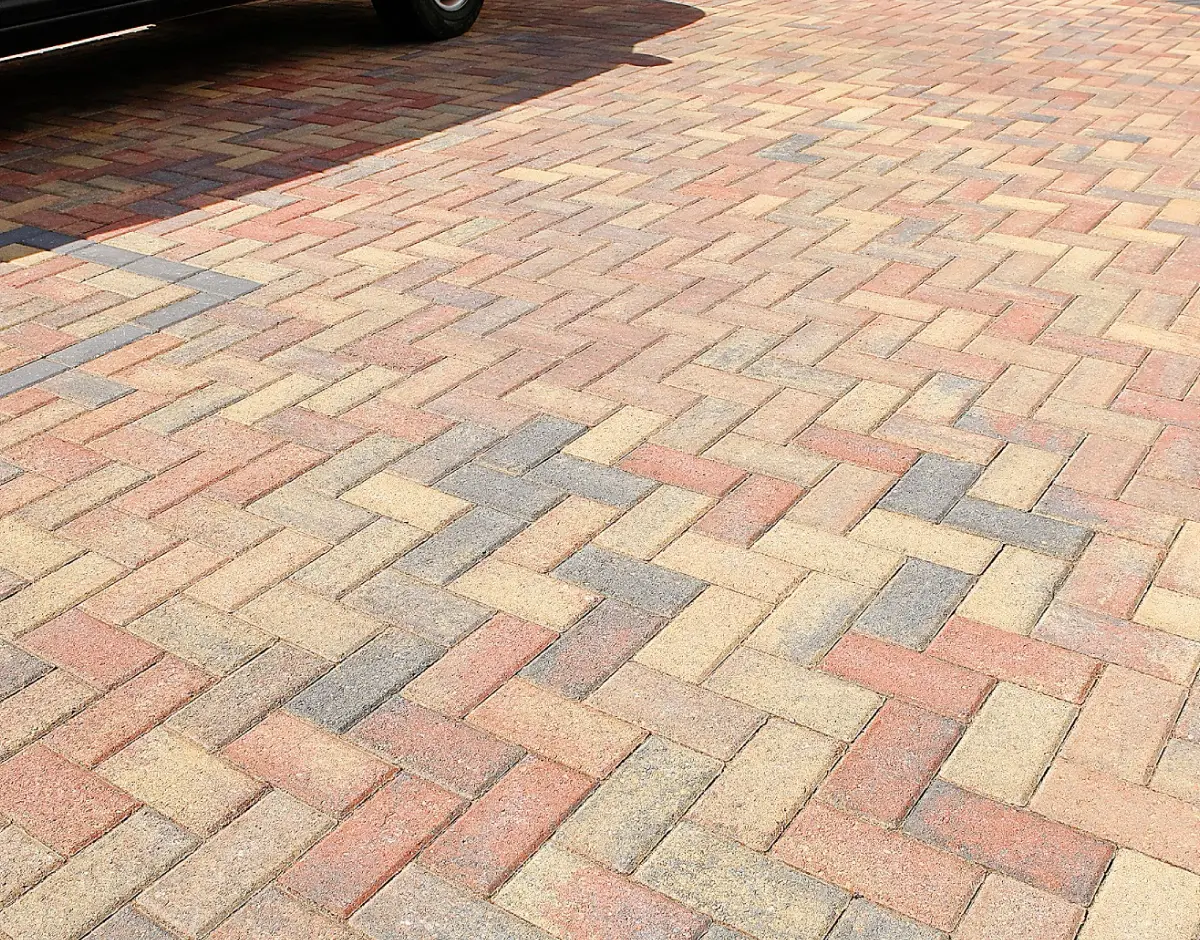
Limestone Type 1 is widely used beneath driveway paving, block paving, gravel, and tarmac. For domestic use, it gives a firm base that handles vehicle weight without shifting.
A driveway sub-base normally uses a 150mm compacted depth. That depth supports cars and light commercial traffic. For patios and paths, 100mm compacted depth is common.
The stone interlocks under compaction, forming a base that stays level over time.
Use in highways and construction works
In larger construction and highway projects, limestone Type 1 forms the base layer beneath road surfaces. It is laid as part of the sub-base structure specified under SHW Clause 803.
Here it supports
- Road pavements
- Carriageways
- Industrial yards
- Access roads
- Car parks
The load-bearing requirement in these settings demands consistent grading and reliable compaction. Primary limestone aggregate delivers that consistency.
Beneath patios, paths, and paving
For patios and paved areas, limestone Type 1 sits beneath the bedding layer. Its role is stopping movement and preventing uneven settlement.
Common patio builds place
- limestone Type 1 as the sub-base
- a sand or mortar bedding layer above
- paving slabs or blocks on top
The sub-base carries the load and keeps the surface flat.
Difference between limestone Type 1 and other materials
Limestone Type 1 is a primary aggregate, meaning it comes straight from a quarry. That gives consistent grading and predictable performance.
Compared with alternatives
- Crushed concrete may vary in particle makeup
- Type 3 suits drainage-led builds with higher permeability
- Granite sub-base offers similar strength with a different stone type
Limestone remains popular for its balance of strength, compaction, and availability.
Drainage behaviour and structure
Limestone Type 1 allows controlled drainage. Water passes through the base layer without washing material away. Fine particles reduce voids, keeping the structure tight.
This behaviour suits most domestic and commercial builds. For projects requiring higher permeability, Type 3 or open-graded stone may suit better.
Bulk bags, loose supply, and delivery
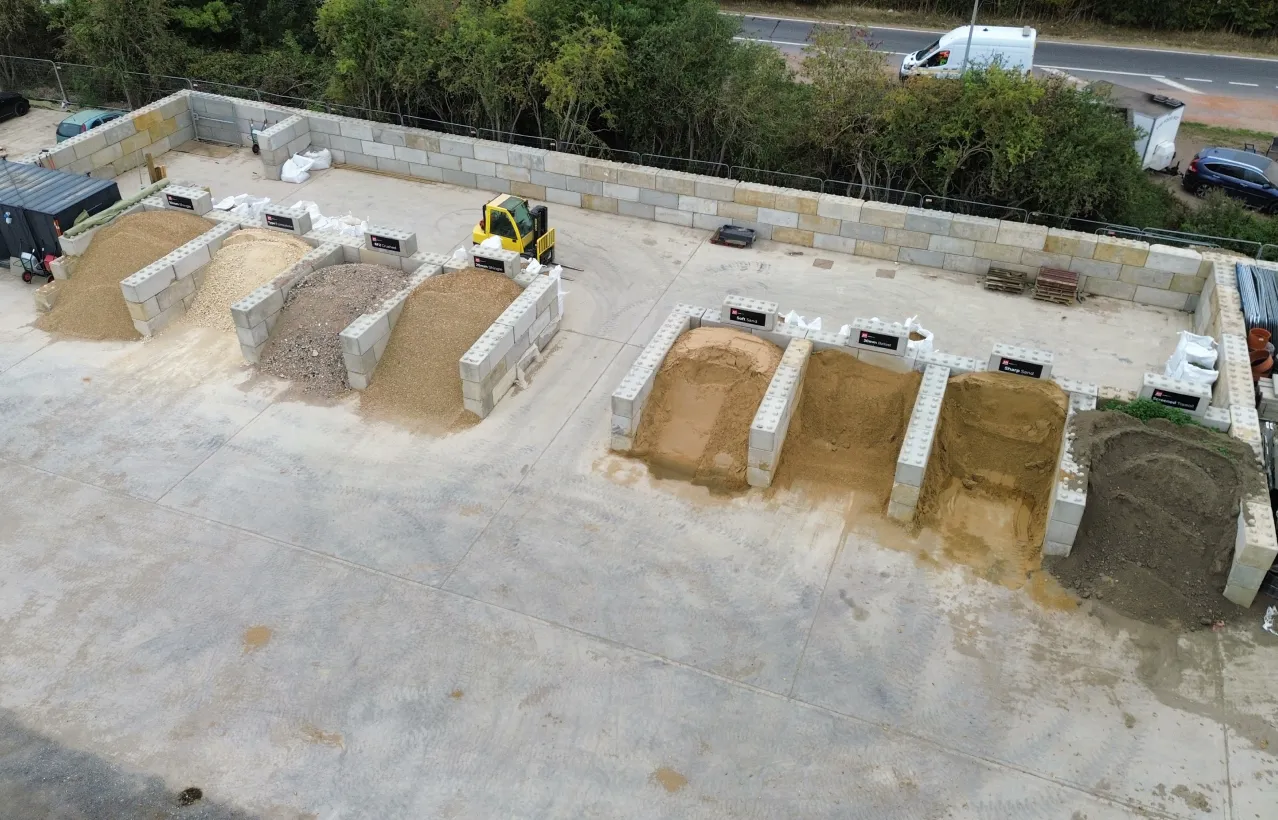
Limestone Type 1 is supplied in bulk bags or loose loads. Choice depends on project size and access.
Bulk bags suit
- small projects
- patios and paths
- restricted access
Loose loads suit
- driveways
- roads
- car parks
- construction industry use
Material is delivered by tipper or grab for efficient placement.
Why limestone Type 1 remains widely used
Limestone Type 1 stays popular across the UK for good reasons
- strong load-bearing performance
- predictable compaction
- clear specification under highway standards
- suitability for domestic and commercial use
From a garden path to a highway base, it forms a durable sub-base that surfaces rely on.
Closing point on limestone Type 1 applications
So, what limestone Type 1 is used for comes down to one answer. It is used anywhere a stable, compactable, load-bearing sub-base is required beneath a surface. Driveways, patios, roads, car parks, and construction projects all depend on it to keep the layer above doing its job.