Is Recycled Type 1 Any Good?
Is recycled Type 1 any good? It’s a fair question, and one that comes up on almost every driveway or construction project where budgets, sustainability, and performance all matter. Recycled Type 1 is widely used across the UK as a sub-base material, yet some people still worry it’s a second-best option. In practice, when it meets the right specification, recycled Type 1 performs exactly as it should.
This guide explains what recycled Type 1 is made from, how it behaves once compacted, where it works best, and when it may not be the right choice.
What is recycled Type 1 actually?
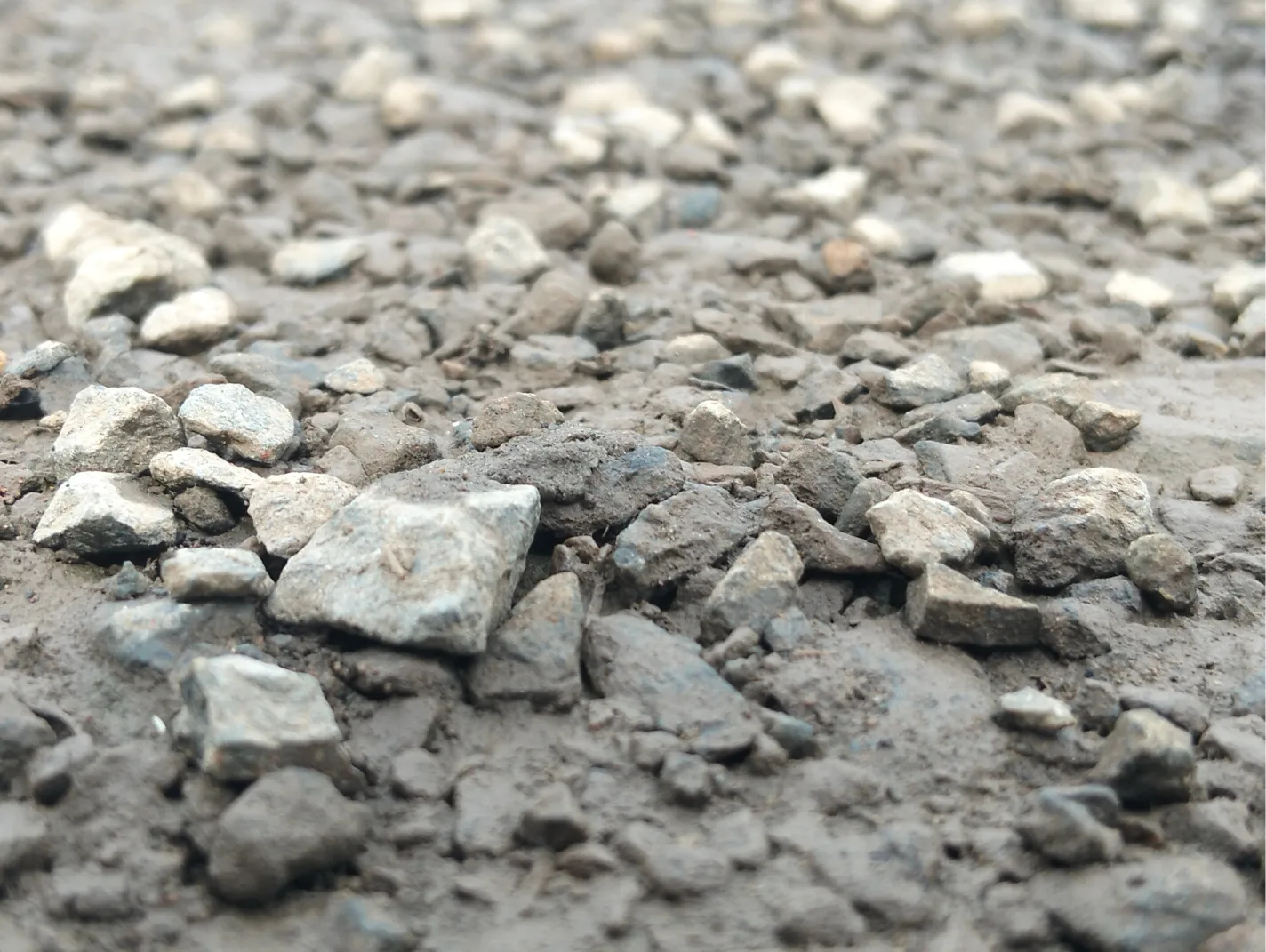
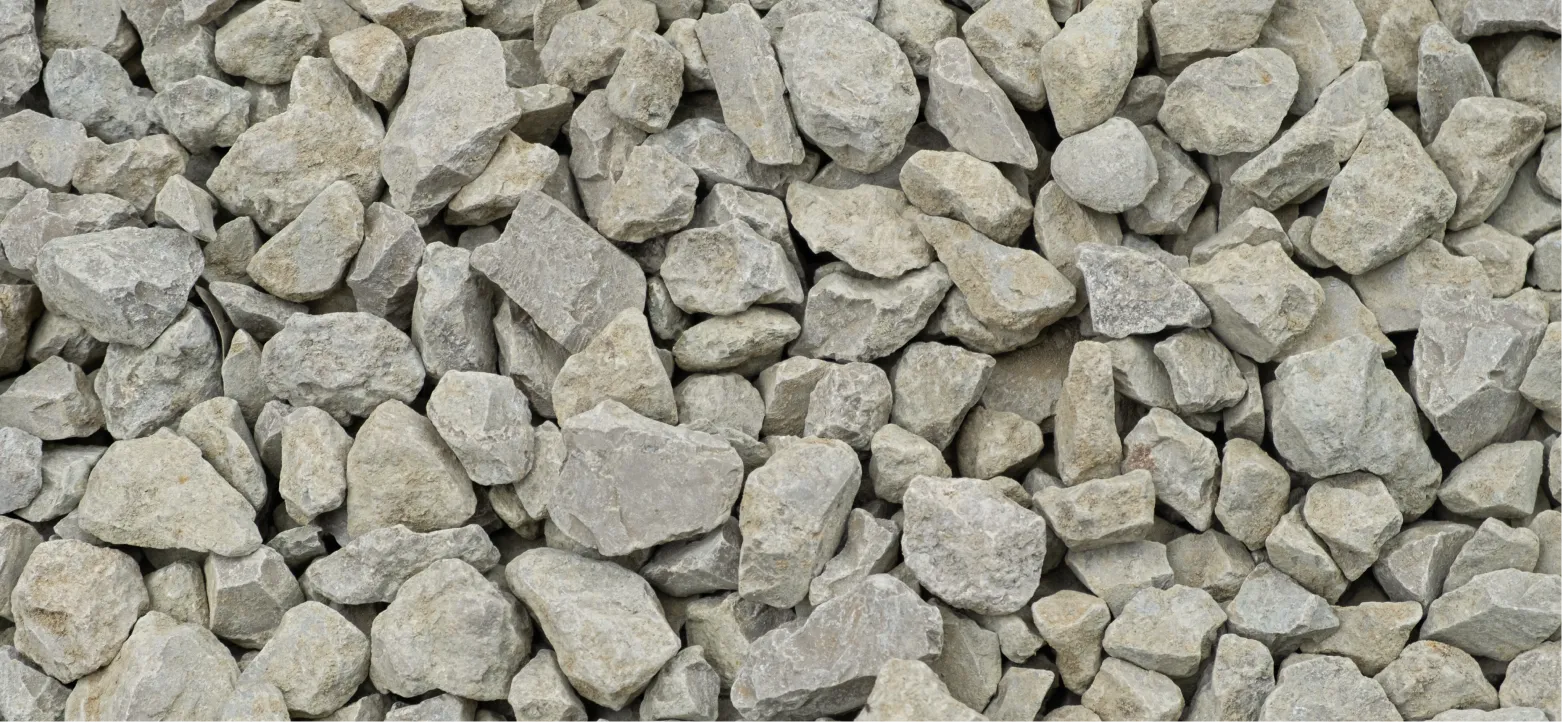
Recycled Type 1 is a type 1 aggregate produced from processed demolition waste. The material usually comes from crushed concrete, brick, and masonry recovered from construction and demolition sites. After crushing, it is screened to a grading of 40mm down to fines, matching the structure of MOT Type 1.
You may hear it called
- recycled MOT Type 1
- type 1 recycled aggregates
- crusher run
- recycled sub-base aggregate
The aim is the same as virgin material. Create a compactable, load-bearing sub-base with minimal voids.
How recycled Type 1 is processed
Demolition waste goes through a controlled process
- concrete and brick are crushed
- metal and contaminants are removed
- material is screened to the correct grade
- fines are retained to aid compaction
Good processing matters. When done properly, recycled Type 1 ends up with a consistent particle size and a fine content that allows strong interlock under compaction.
Does recycled Type 1 meet specification?
Yes, recycled Type 1 can be fully compliant when it meets the Specification for Highway Works, commonly referenced as SHW Clause 803. This specification sets out grading, performance, and suitability for sub-bases used in highway and construction works.
The standard originates from the Department for Transport, often still referred to in the trade as MOT specification.
If recycled Type 1 complies with Clause 803, it is suitable for
- road construction
- driveways
- car parks
- sub-bases beneath paving and tarmac
Compliance matters more than whether the aggregate is recycled or virgin.
Is recycled Type 1 suitable for a driveway?
Recycled Type 1 is commonly used as a driveway sub-base. Once compacted, it forms a stable base capable of carrying vehicle loads.
For domestic driveways, a 150mm compacted depth is standard. For patios and paths, 100mm compacted depth is typical. Compaction should be done in layers to achieve full strength.
Many driveways across the UK rely on recycled Type 1 without issue. Movement problems almost always come from shallow depth or poor compaction rather than the material itself.
Load-bearing performance once compacted
Recycled Type 1 gains strength through particle interlock. Crushed concrete and stone pieces lock together, with fines filling gaps and reducing voids.
When compacted correctly
- load is spread evenly
- the base layer stays stable
- surfaces above stay level
This load-bearing behaviour is why recycled Type 1 is used beneath block paving, gravel, patio slabs, and tarmac.
Drainage and permeability
Recycled Type 1 offers controlled drainage. Water passes through the sub-base without washing material away. The amount of fines reduces large voids, which helps maintain structure.
For projects that rely on higher permeability, open-graded materials like Type 3 may suit better. For most driveways and construction sub-bases, recycled Type 1 handles drainage effectively.
Recycled Type 1 vs virgin limestone or granite
The main difference lies in source, not function.
Recycled Type 1
- made from recycled materials
- cost-effective
- supports sustainable construction
- reduces demand on natural resources
Virgin Type 1
- quarried limestone or granite
- highly consistent appearance
- often preferred where visual uniformity matters
Performance under load remains similar when both meet specification.
Environmental and cost benefits
Recycled Type 1 is widely chosen for its sustainability. Using recycled aggregates reduces landfill, lowers transport demand, and cuts the need for new quarrying.
From a cost point of view, recycled Type 1 often offers savings on bulk supply, making it popular on larger projects and sub-base heavy builds.
Supply formats and delivery
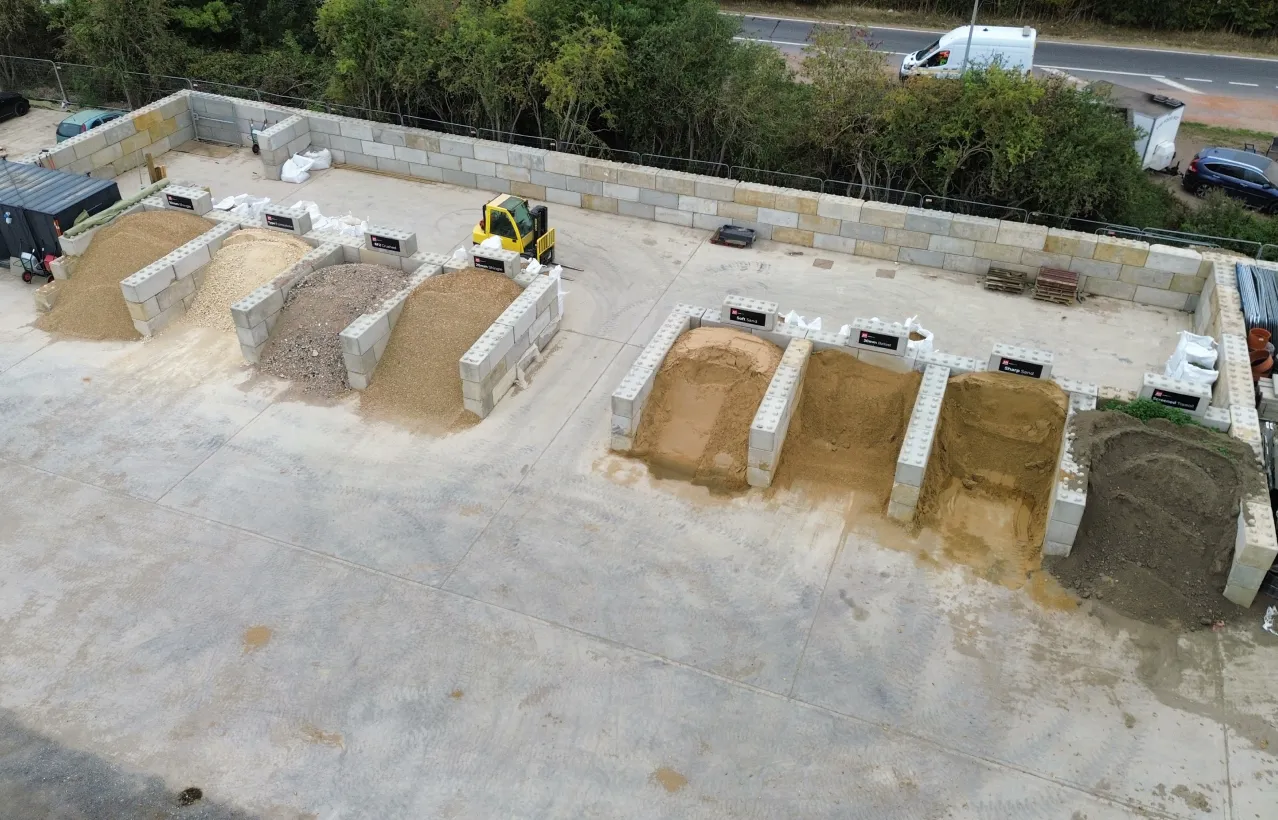
Recycled Type 1 is supplied
- loose by tipper
- in bulk bags
- by grab lorry placement
Loose supply suits driveways and construction works. Bulk bags suit patios, paths, and smaller jobs with limited access.
When recycled Type 1 may not suit
Recycled Type 1 may not be ideal where
- a decorative exposed finish is required
- strict visual consistency matters
- specification calls for a named virgin aggregate
In these cases, limestone or granite Type 1 may suit better.
Straight answer to “is recycled Type 1 any good?”
So, is recycled Type 1 any good? Yes. When processed correctly and compliant with SHW Clause 803, recycled Type 1 is a reliable, load-bearing, and cost-effective sub-base material. It supports driveways, patios, roads, and construction projects every day across the UK, proving that recycled does not mean compromised.